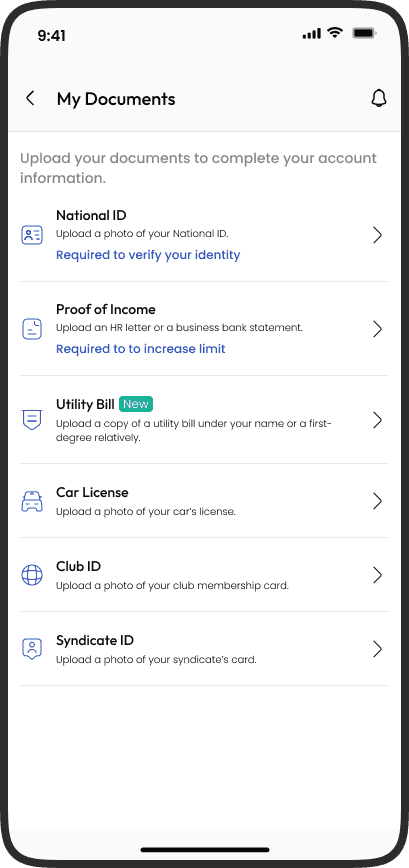
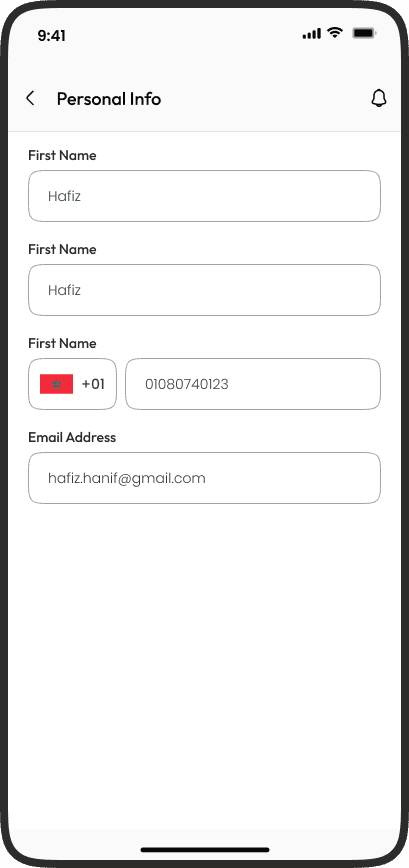
Project

Dart: ROSCA Fintech Mobile App

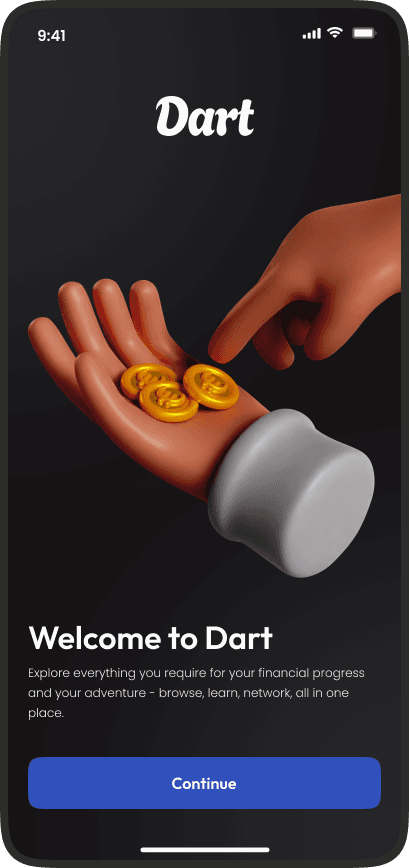
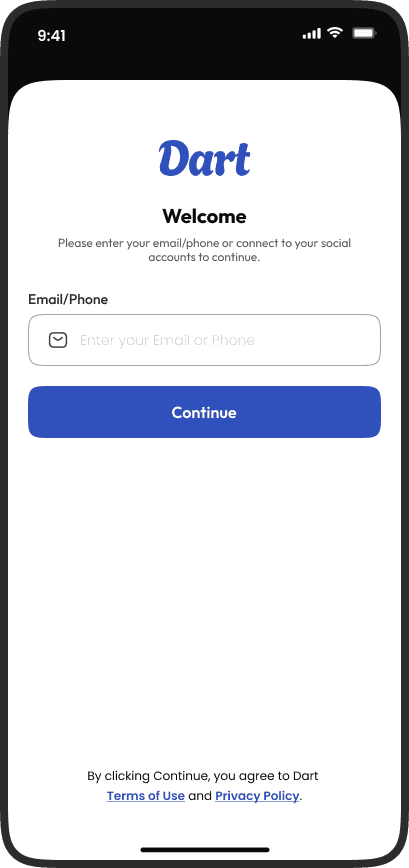
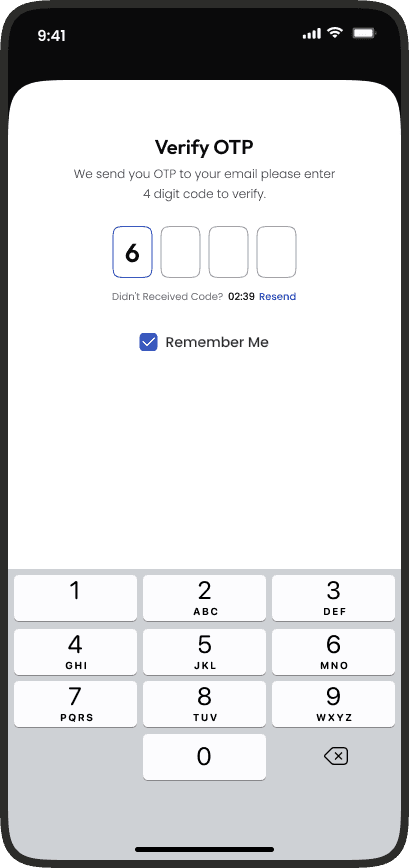
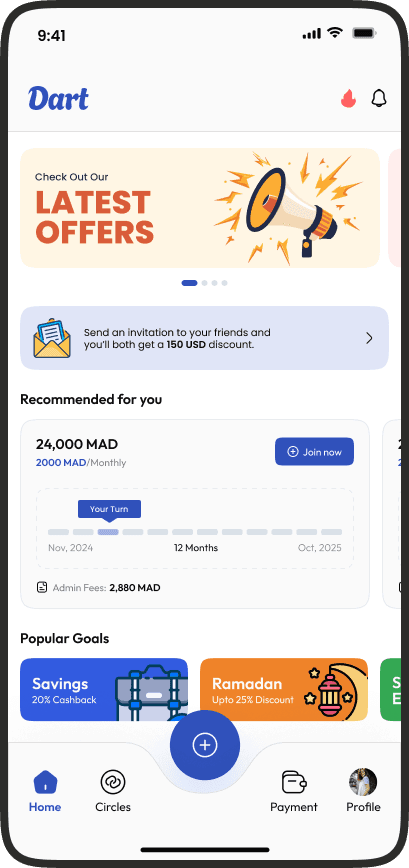
DART is a US-based fintech app bringing the traditional committee savings model to modern mobile banking. The core challenge wasn't payments. It was trust.

Context

A fintech app designed around trust helping US users participate in group savings circles with people they know.

Delivery

End-to-end product design discovery, research, IA, user flows, wireframes, UI, and dev handoff. Shipped to closed beta.

Work focus areas

Executive Summary Of The Case

Context

Most Americans have never heard of a committee. But millions use them globally to save money without banks. My client wanted to bring this to the US and make it trustworthy enough for strangers to hand over real money.

The Decision

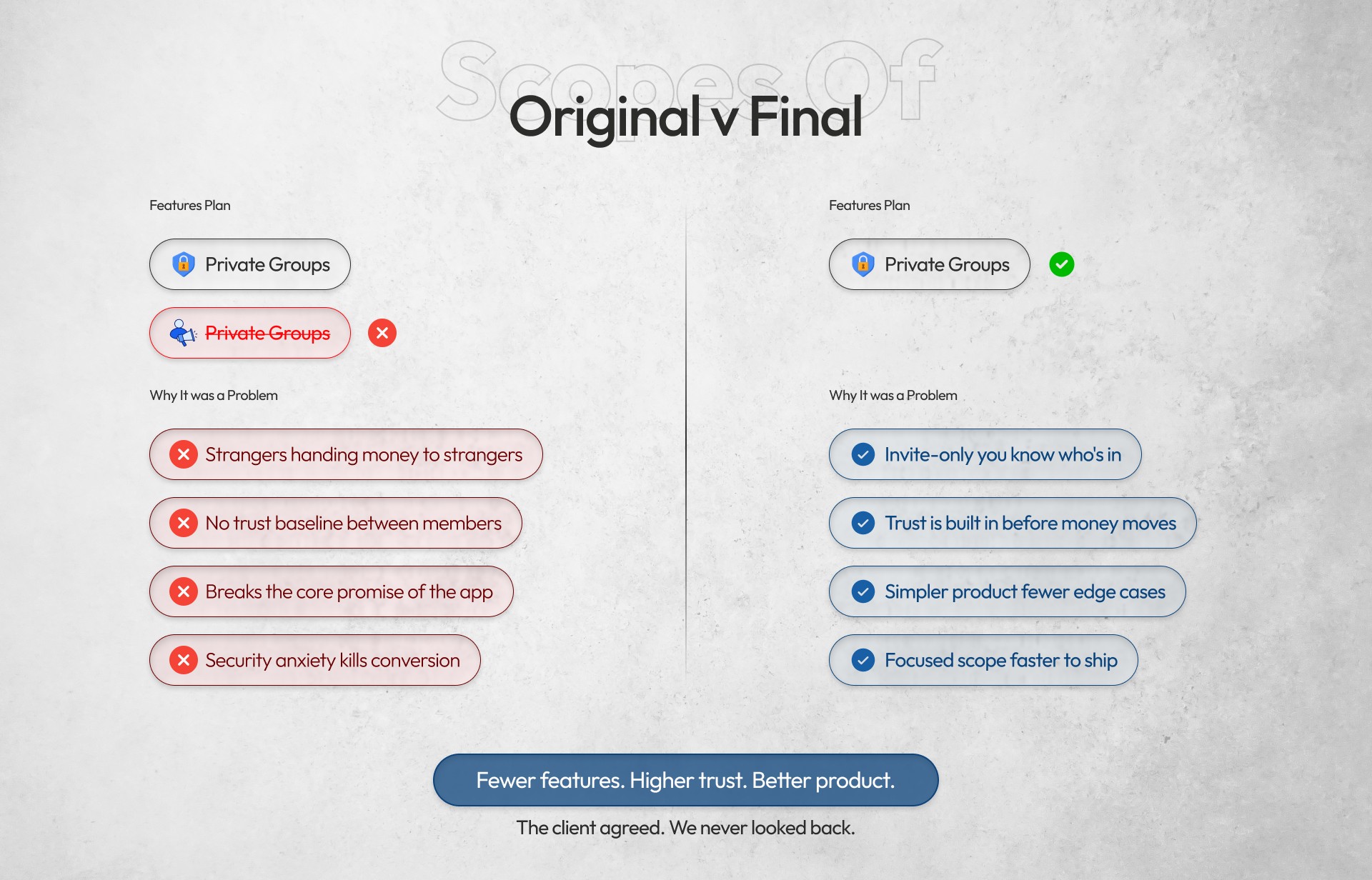
The original scope included public groups open circles where strangers could join freely. Mapping the flows revealed this broke the core trust promise entirely. I recommended cutting it. The client agreed. We never looked back.

The Outcome

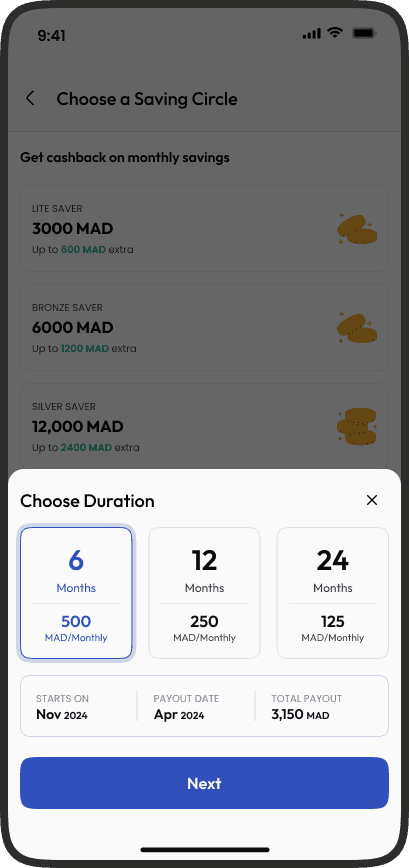
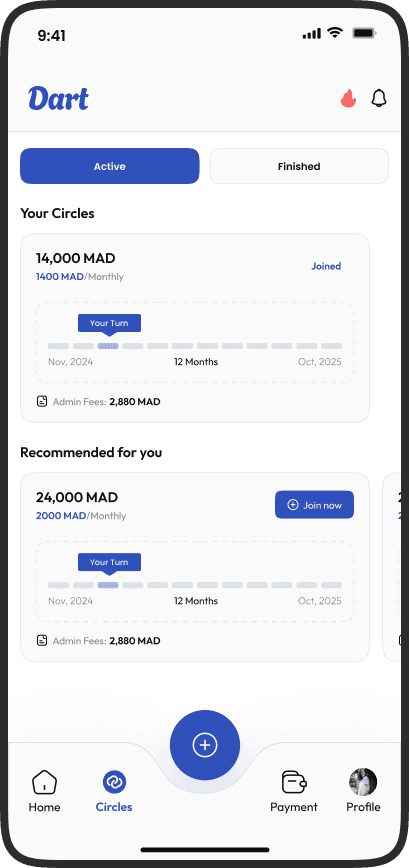
Two products shipped to closed beta Game'ya for group savings and a solo Saving Program. Near-zero revisions on final UI. The handoff worked because the thinking was documented from the start.

Details

The Full Story

Context

Before I opened Figma, I had to understand the thing I was designing.

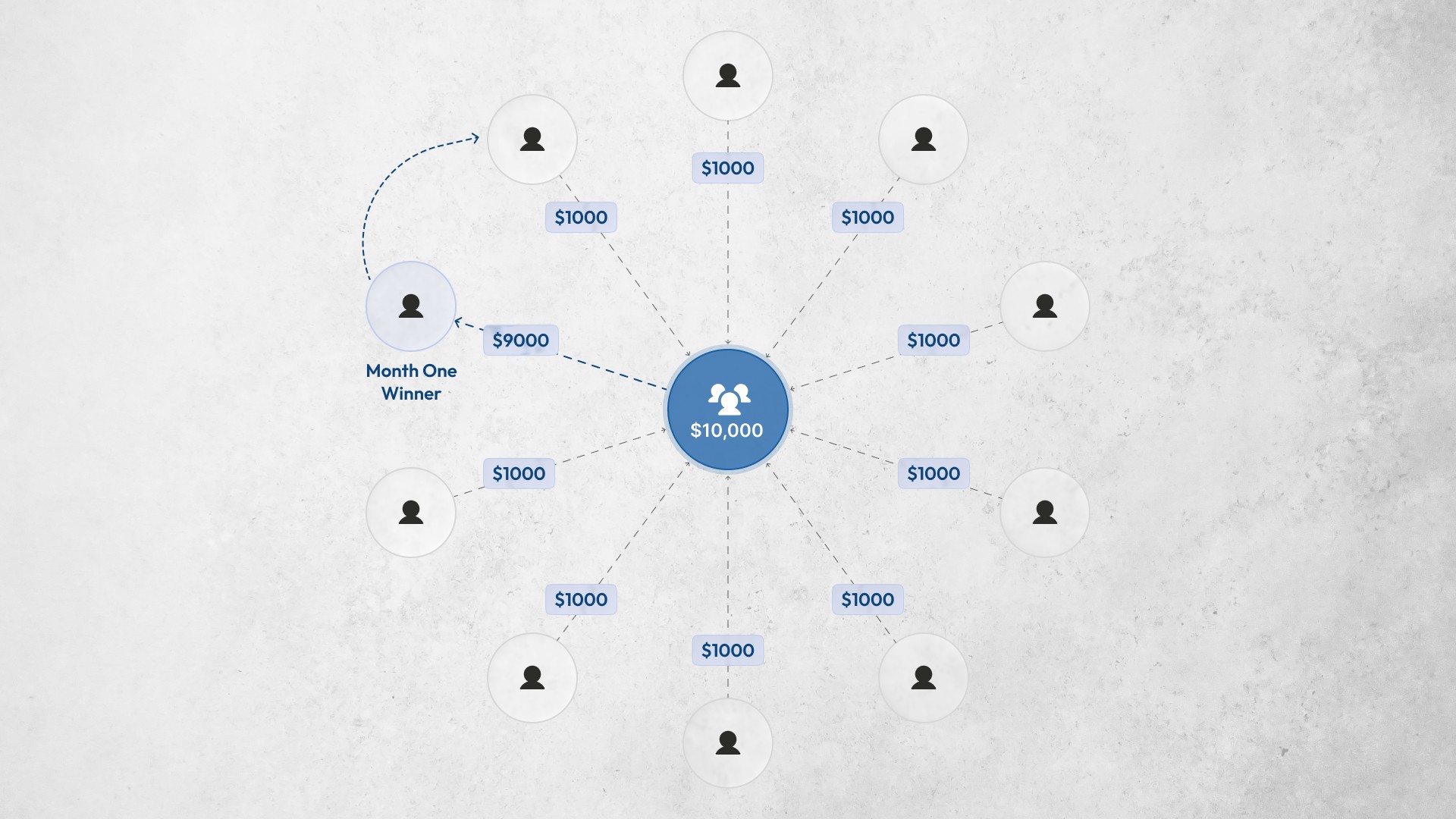
A committee is simple. 10 people. Each contributes $1,000 a month. Every month, one person receives the full $10,000 pool. No bank. No interest. Just trust — and a guaranteed turn. Millions of people around the world run these in living rooms and WhatsApp groups. My client wanted to bring that to the US and make it trustworthy enough for people to actually use.

Discovery

The brief landed. Something immediately stood out.

I received the scope of work, read it carefully, and the challenge became clear fast this wasn't a payments app. It was a trust app. The design problem wasn't how to move money. It was how to make people feel safe giving it to strangers.

Challenge 1

Trust how do you make strangers feel safe handing over money?

Challenge 2

Simplicity the mechanic is completely unfamiliar to US users.

Challenge 3

Focus too many features would break the core promise.

Research

I got on a call. Then I did my own homework.

After the discovery call with the client, I researched the space myself. What existed in the US fintech market? What trust signals worked? What gaps was no one solving?

1

Insight

Existing ROSCA apps felt clinical and transactional no warmth, no trust.

2

Insight

Fees were hidden, T&Cs buried. Trust signals were invisible.

3

Insight

Onboarding was too complex for an unfamiliar concept.

4

Insight

No app had nailed the balance between group trust and simplicity.

Information Architecture
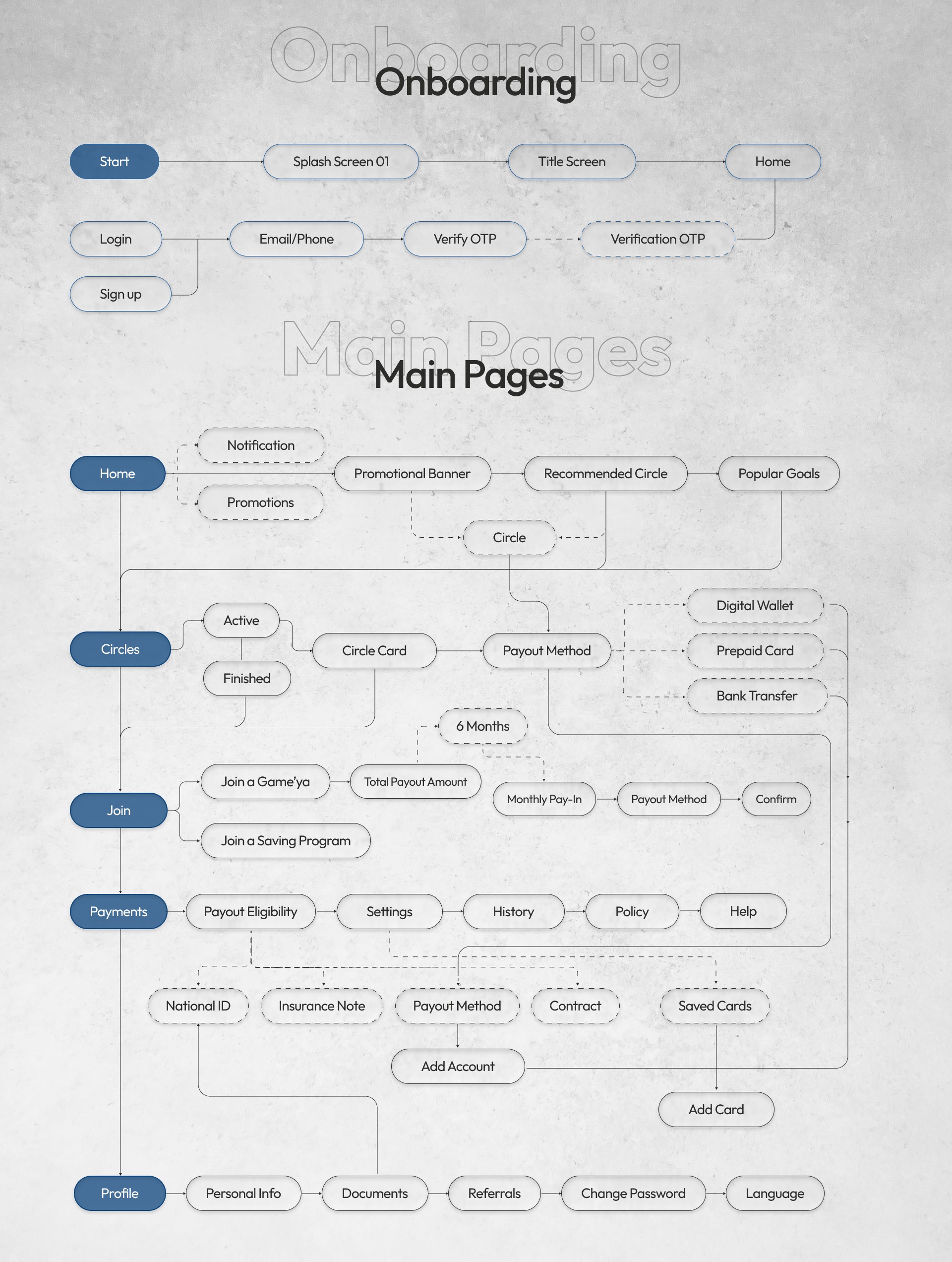
Before touching visuals, I mapped every screen and every decision point.

This is where I caught something important something the brief hadn't flagged. The full navigation structure, every user path, every edge case mapped before a single frame was designed.

The Decision

I killed public groups. Here's why.

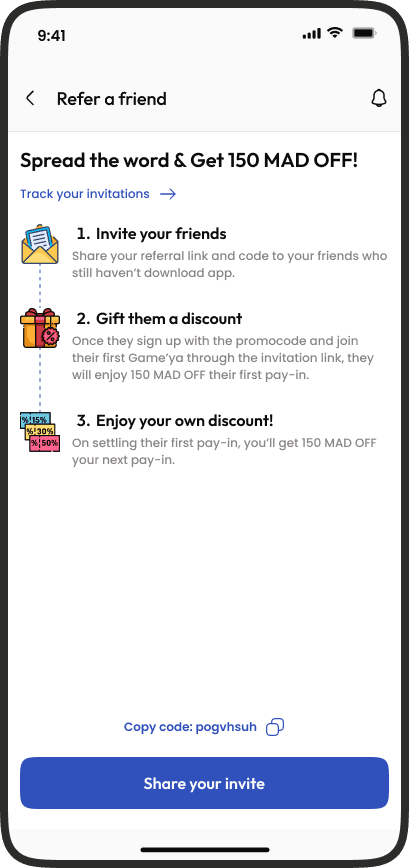
The original scope included public groups open circles where strangers could join freely. The more I mapped the flow, the more it broke the core promise of the app. You can't ask someone to hand over $1,000 to people they've never met and expect them to feel safe. Public groups introduced too many unknowns identity, reliability, trust. It wasn't a feature problem. It was a trust problem. I went back to the client with the data, the reasoning, and a clear recommendation: cut it. Keep it invite-only. Private groups only. He agreed. We never looked back.

Wireframes

Structure before surface.

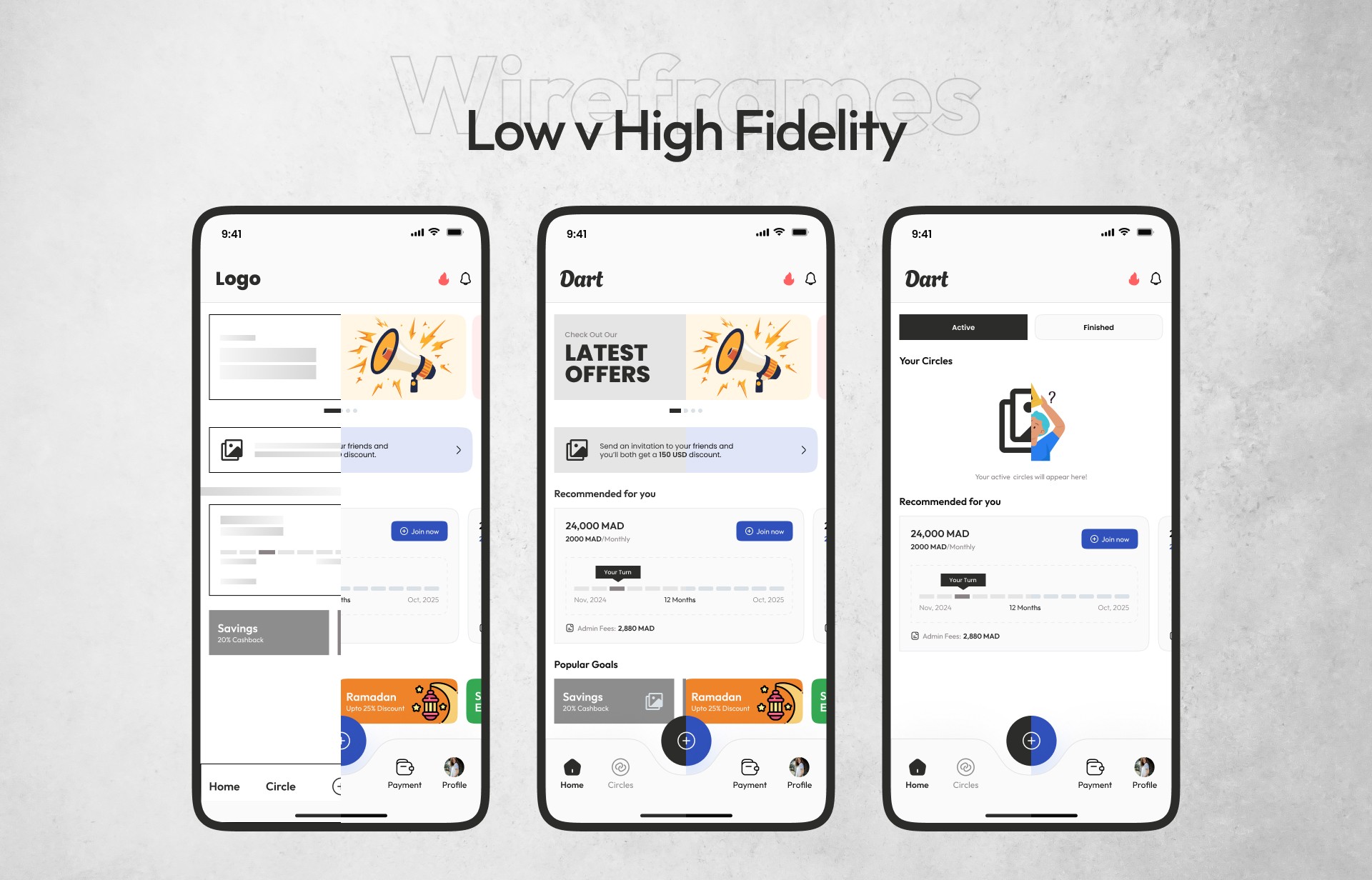
Before committing to any visual decisions, I built out low fidelity wireframes to get the skeleton right. This was the approval checkpoint nothing moved to full UI until the layout logic was signed off.

Delivery

I didn't hand over files and walk away.

I worked with the development team through implementation answering questions, flagging edge cases, making sure the design intent stayed intact all the way to skeleton screens. Near-zero revisions on the final UI. The handoff worked because the thinking was documented from the start.

Create a free website with Framer, the website builder loved by startups, designers and agencies.